Swasthya
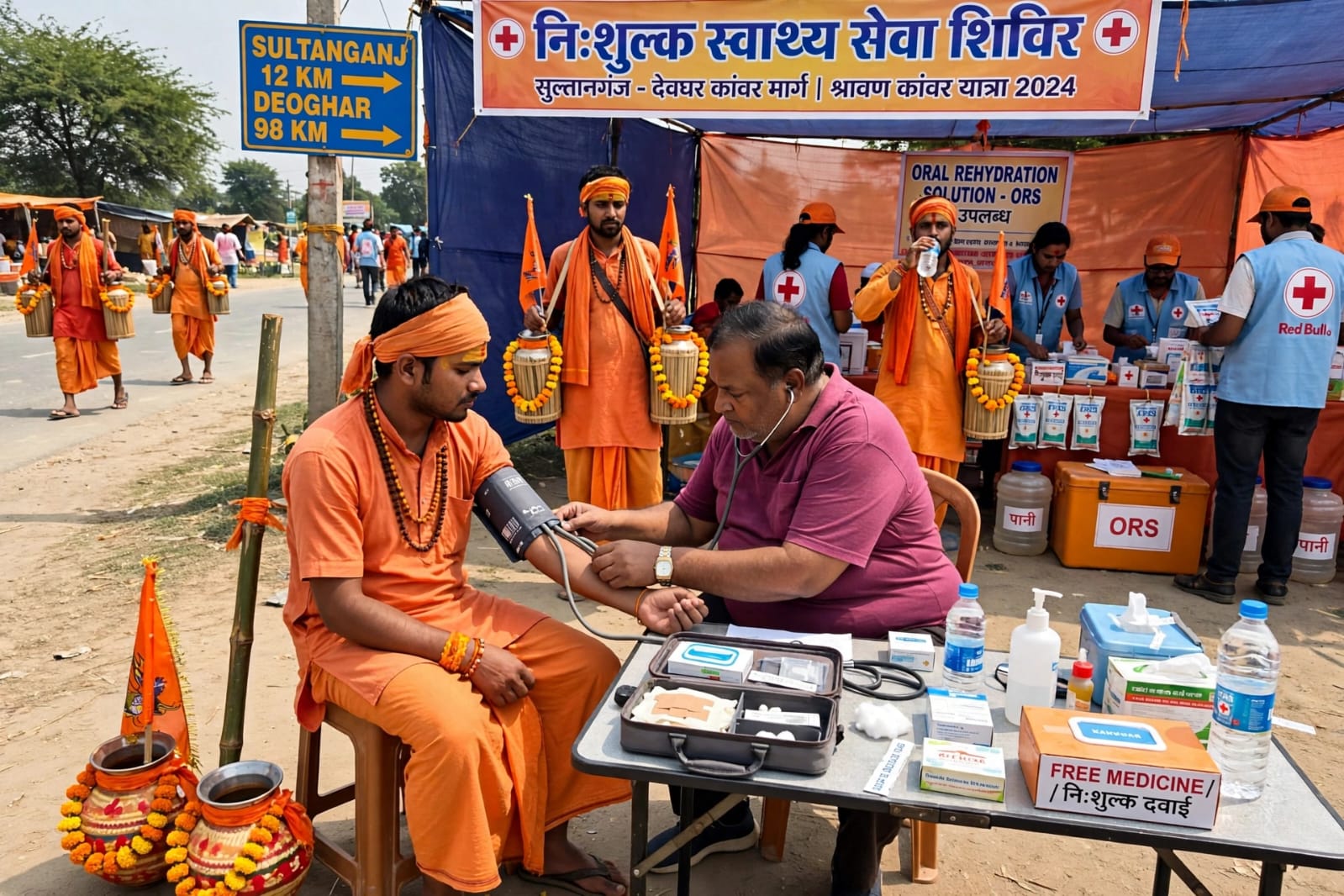
स्वास्थ्यFree medical camps, free medicine, maternal and child health, and awareness on malaria, hepatitis and other communicable disease.
HARSH (Samajik Utthan) is a registered non-profit society working in the villages and mining bastis of Jharkhand — on health, education, food, water, sanitation, women’s dignity and the environment.
हर्ष (सामाजिक उत्थान) · शिक्षा • सशक्तिकरण • उत्थान
We do not arrive with a programme already decided. We sit with the panchayat, the school and the women of the village and start with whatever is missing most.
Free medical camps, free medicine, maternal and child health, and awareness on malaria, hepatitis and other communicable disease.
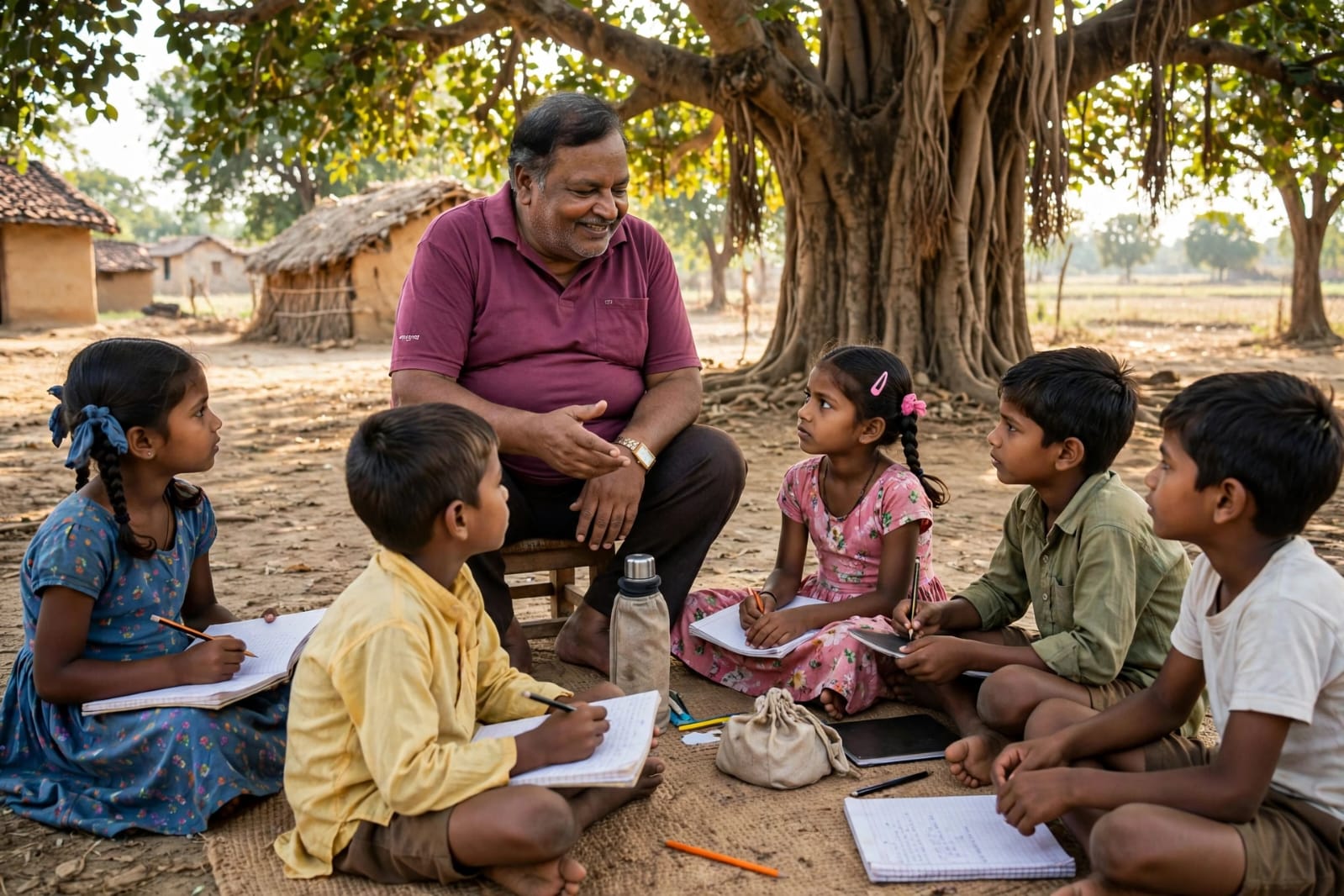
Free coaching, village libraries, computer and technical training so a child in a hamlet is not left behind a child in a city.
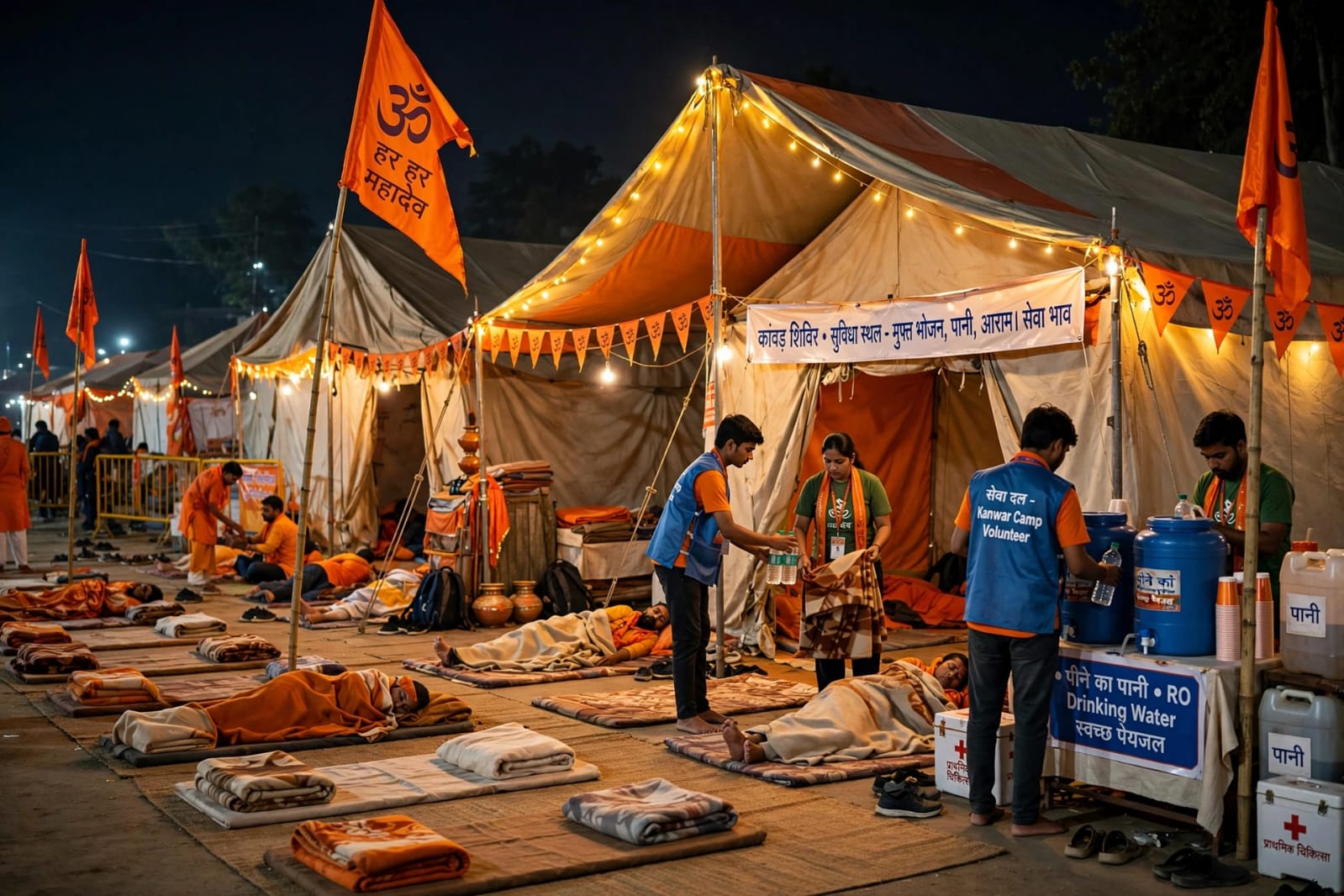
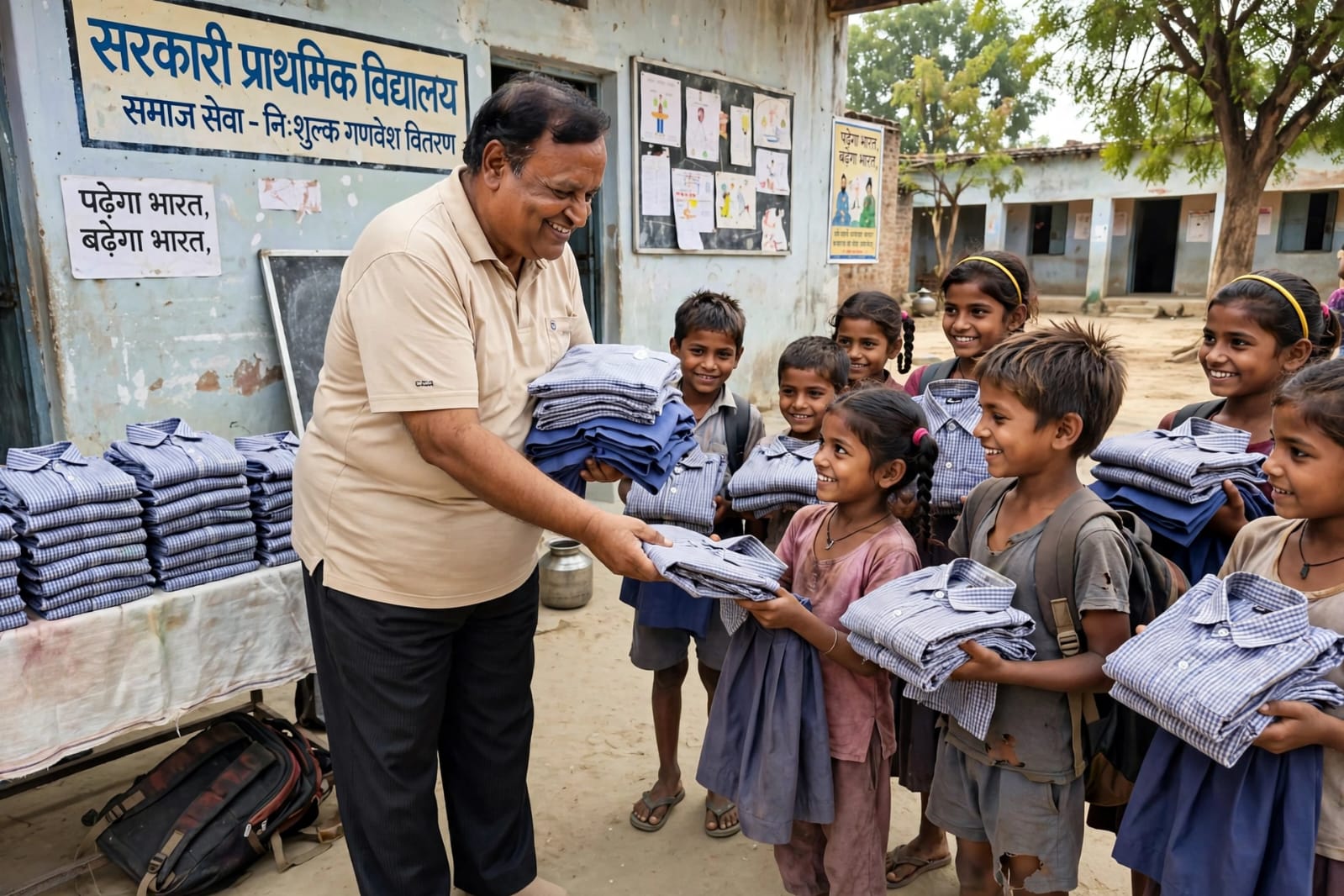
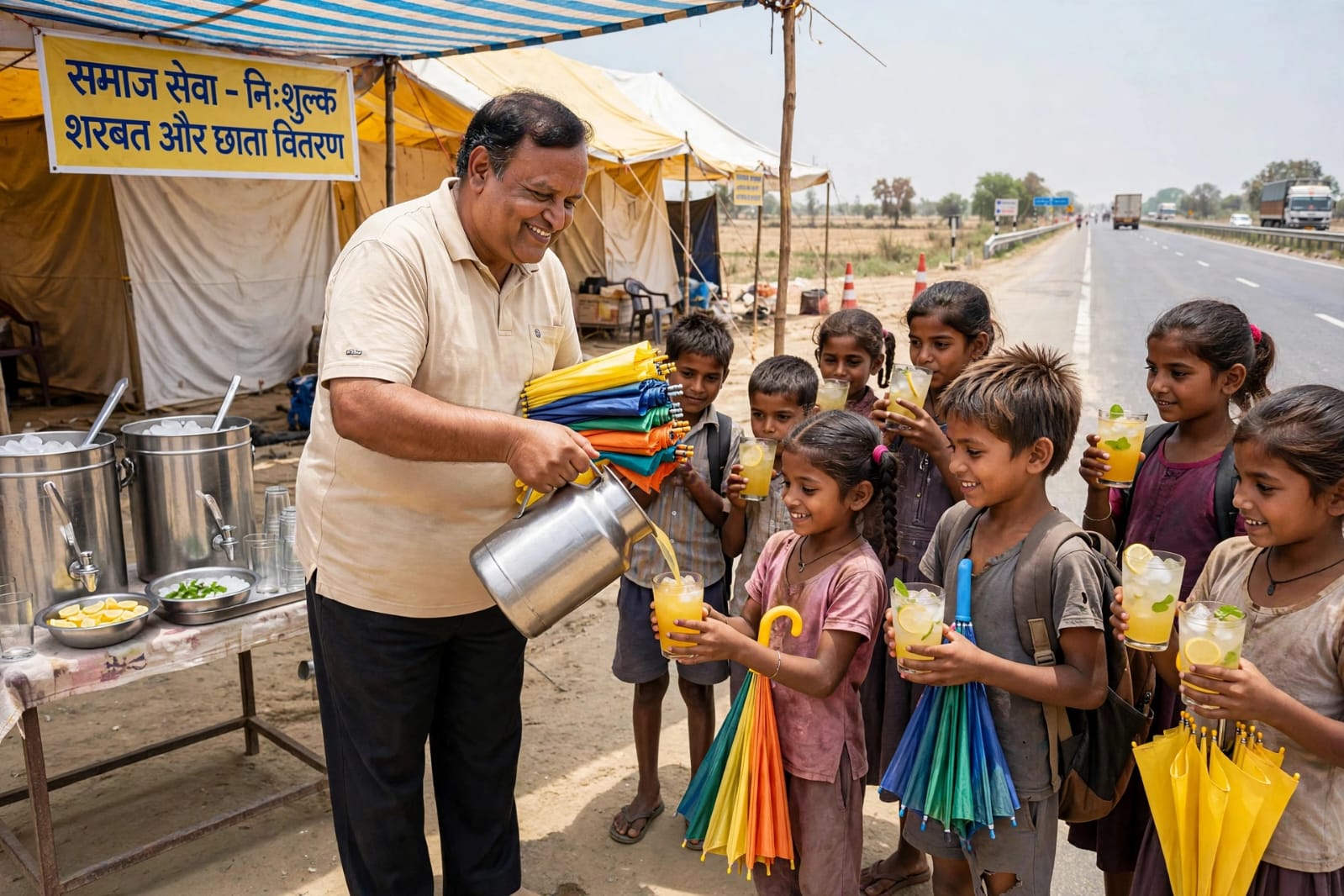
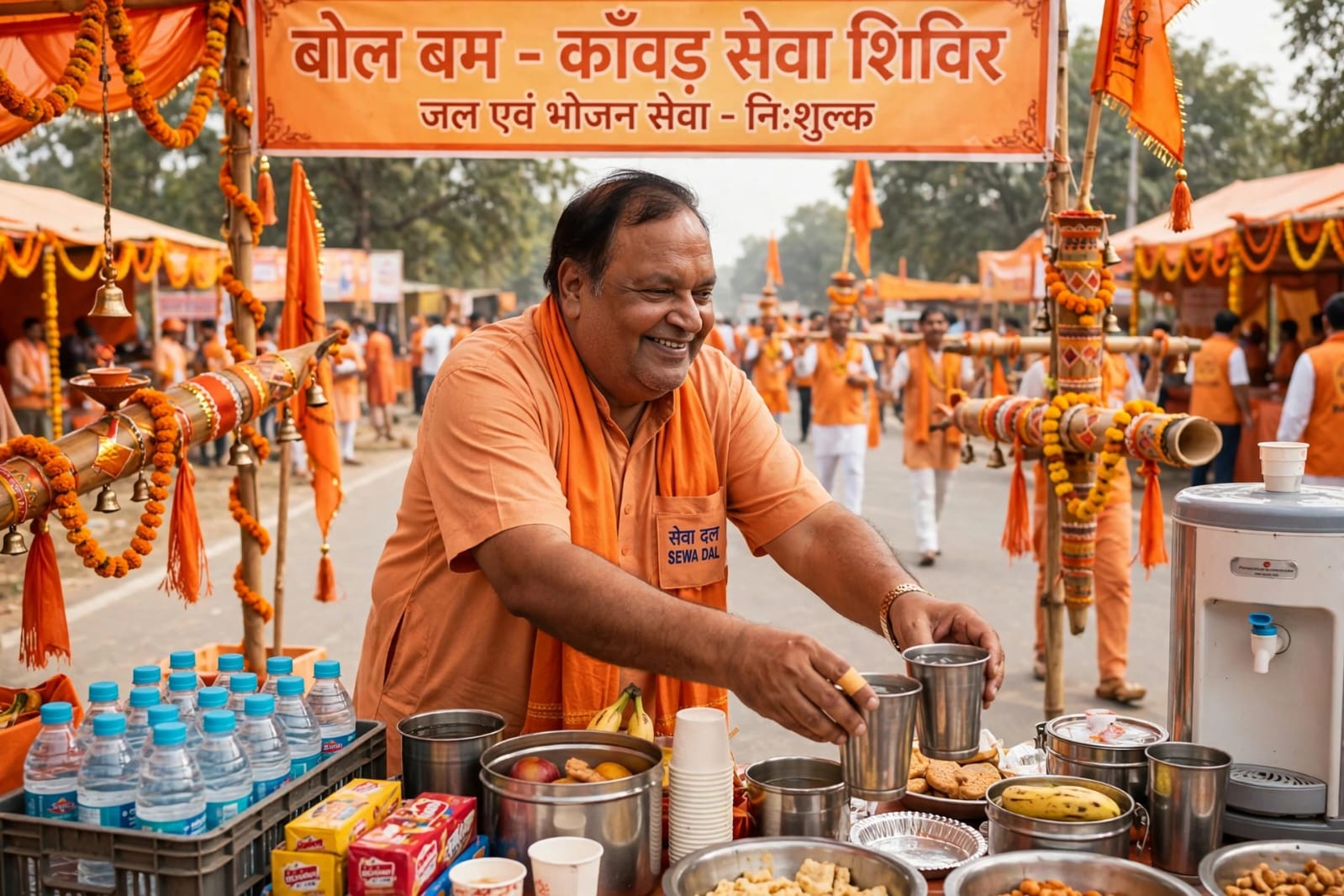
Free feeding, drinking water, rest shivirs for yatris, sharbat and umbrella distribution through the hardest months of the year.
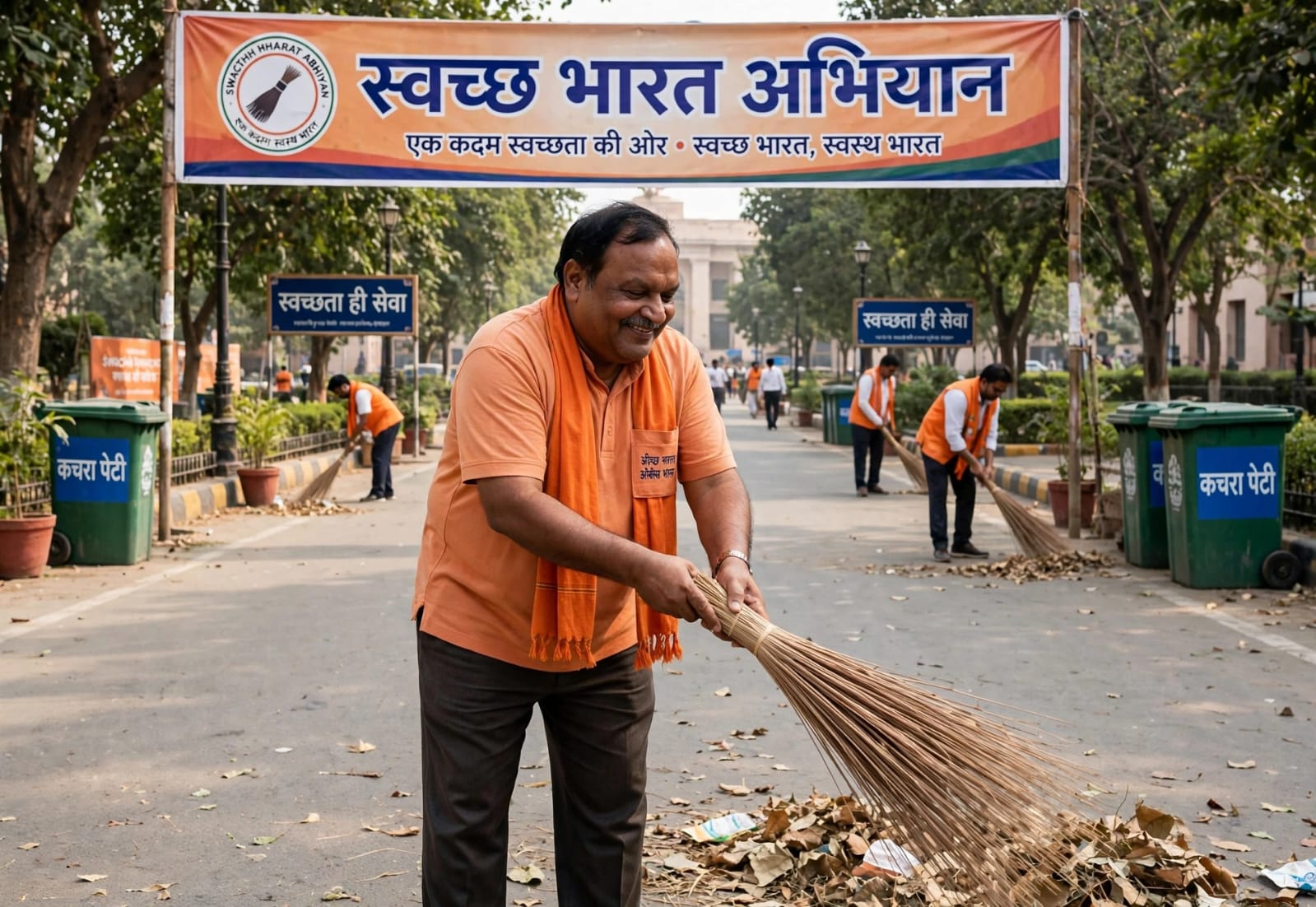
Self help groups, women miners’ rights, plantation, forest management and water harvesting for a village that can stand on its own.
HARSH (Samajik Utthan) works out of Dhansar, Dhanbad. Our volunteers are from the same blocks they work in — which is the whole reason our coaching centres are still open and our napkin machines are still stocked.
Jharkhand’s coal belt produces a great deal of the country’s energy and keeps very little of the benefit. Around the collieries are hamlets where the nearest doctor is a day’s lost wage away, where girls miss a week of school every month for want of a five-rupee pad, and where a bright child stops studying at fourteen because there is no light in the house after dark.
None of these are complicated problems. They are cheap problems that nobody has got around to. That is the space this society works in.
A girl who misses five days of school every month loses close to a sixth of the school year. It is not only a health problem — it is an education problem, and it compounds every year she stays enrolled.
Every one of these is drawn directly from the aims and objects of our Memorandum of Association. Click any programme to read what it actually involves.
Doctors, medicine and ORS taken to the roadside and the hamlet — free of cost, for anyone who needs it.
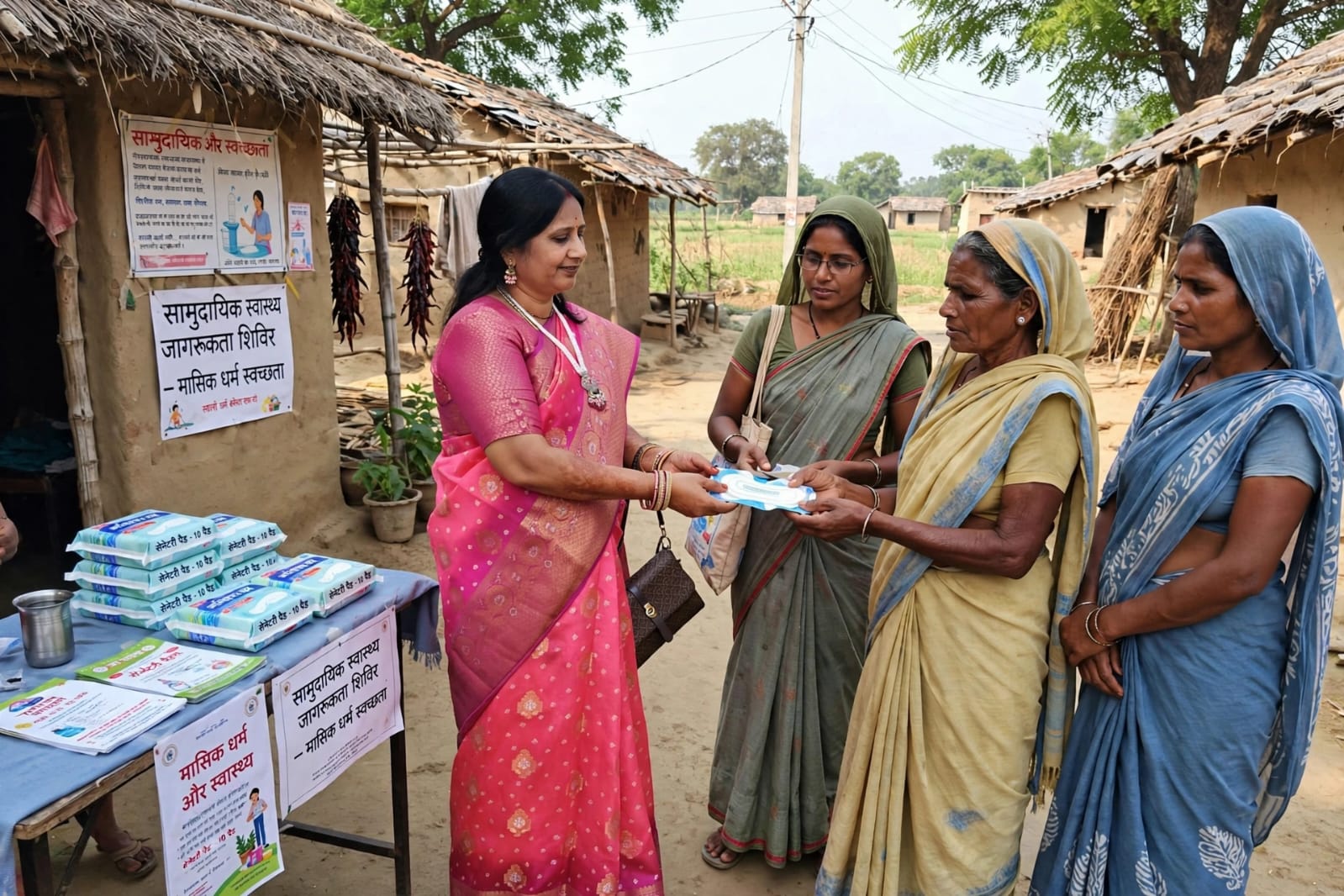
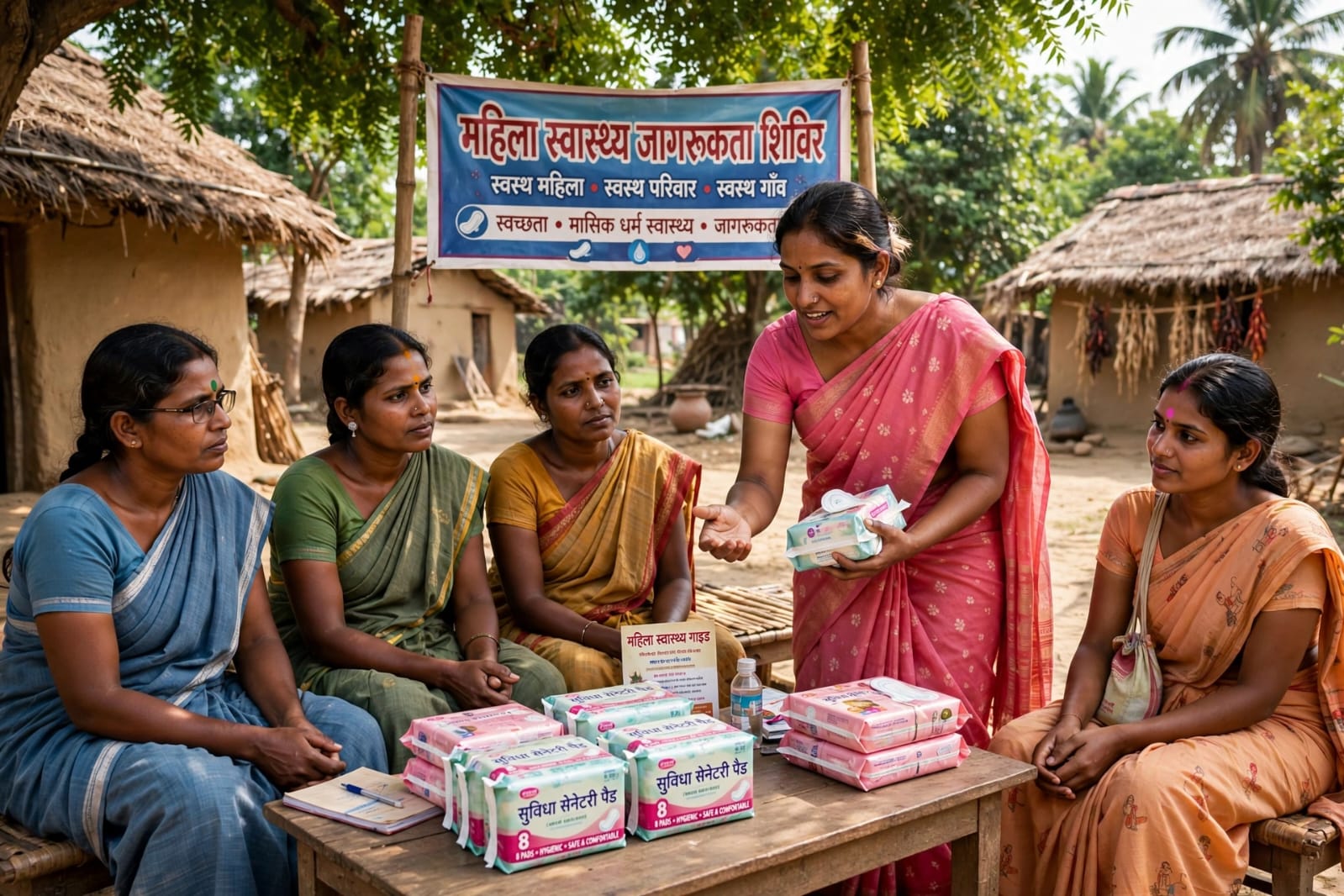
Read moreSanitary napkin vending machines installed in village schools and panchayat bhavans, plus free pads and honest conversation.
Read moreHot food, clean water and fruit served free — on yatra routes, at camps, and to families who would otherwise skip the meal.
Read moreFree evening coaching, school-readiness classes and computer training for first-generation learners.
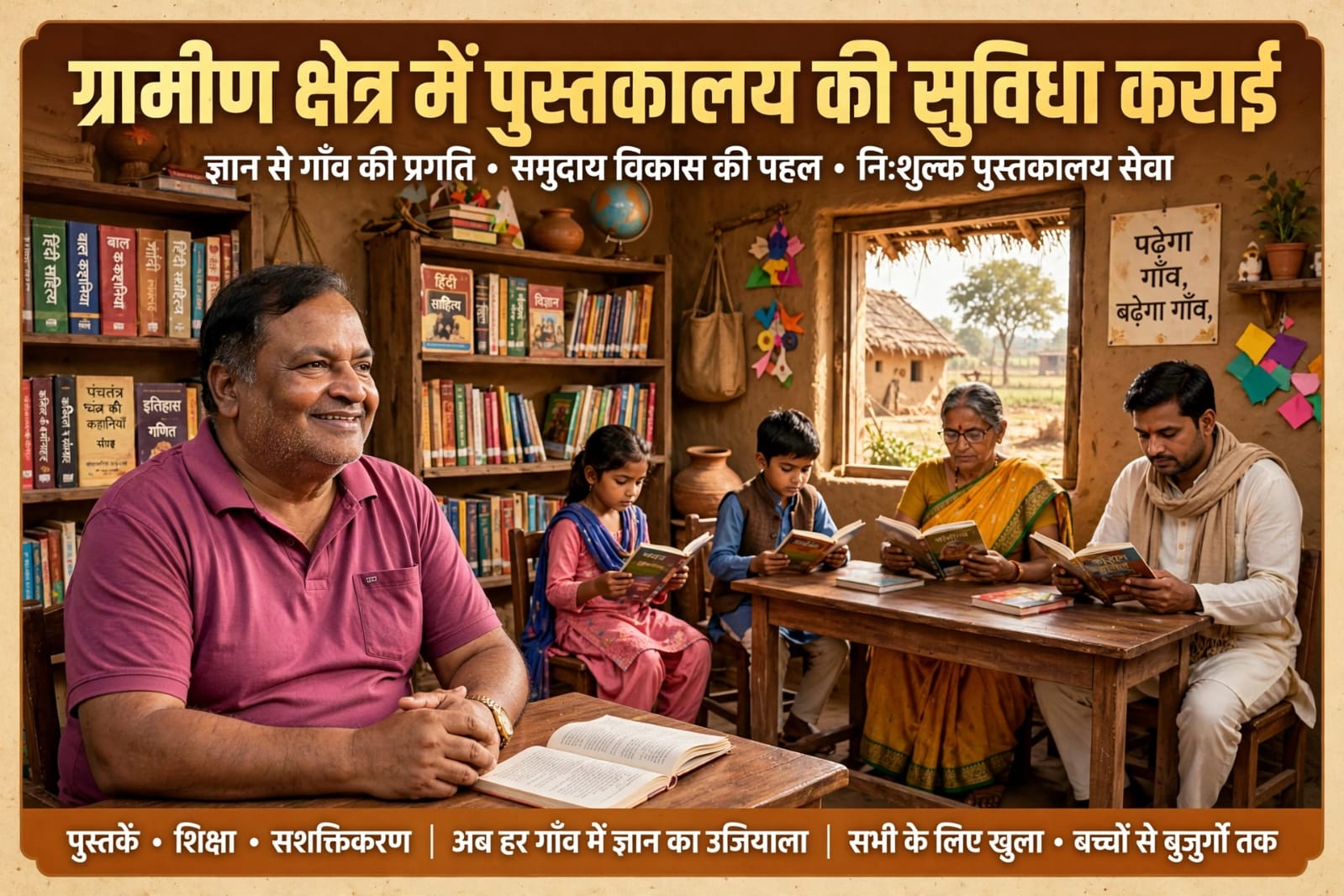
Read moreA free reading room in the village — open to everyone, from a Class 2 child to a grandmother.
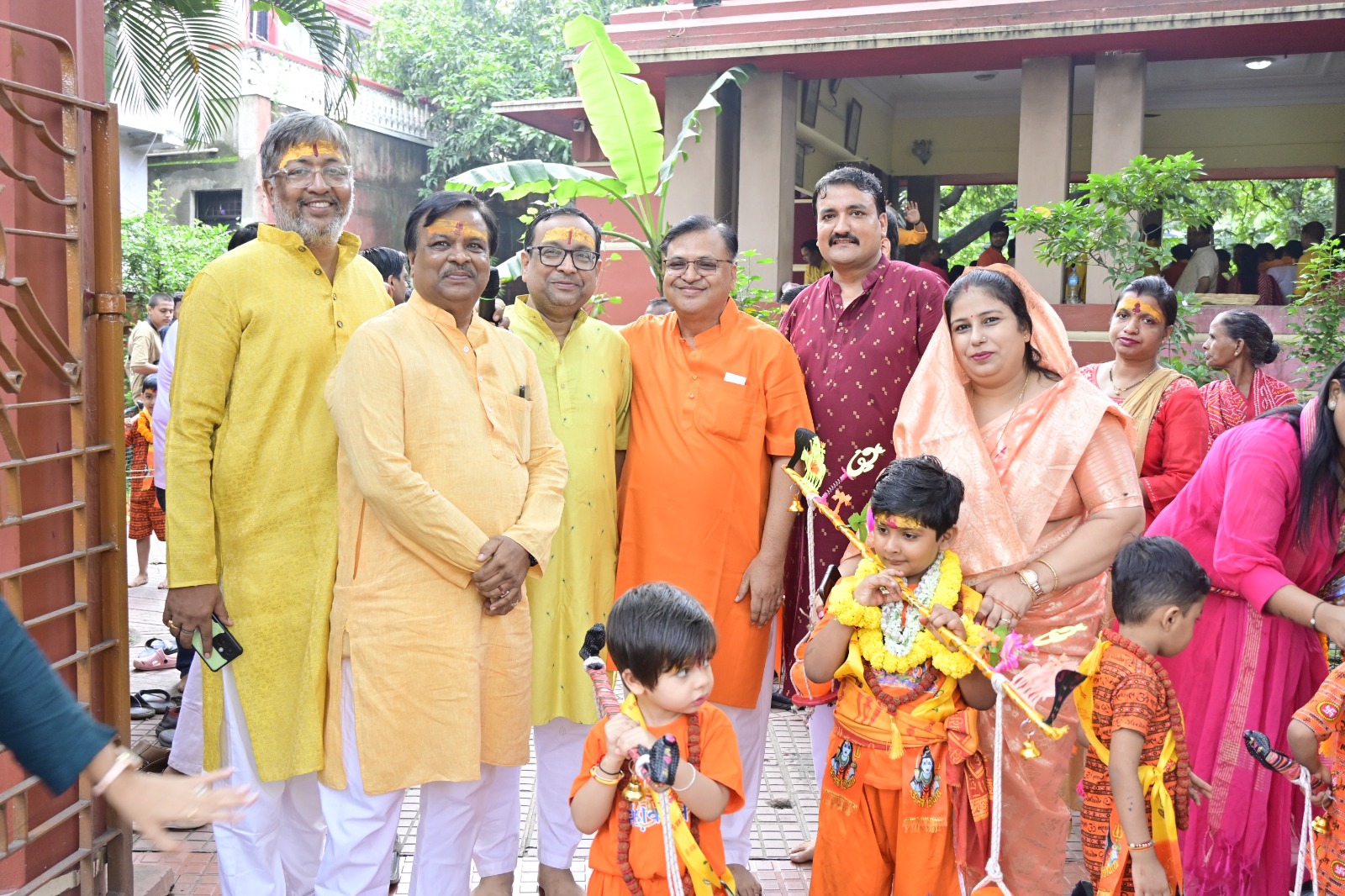
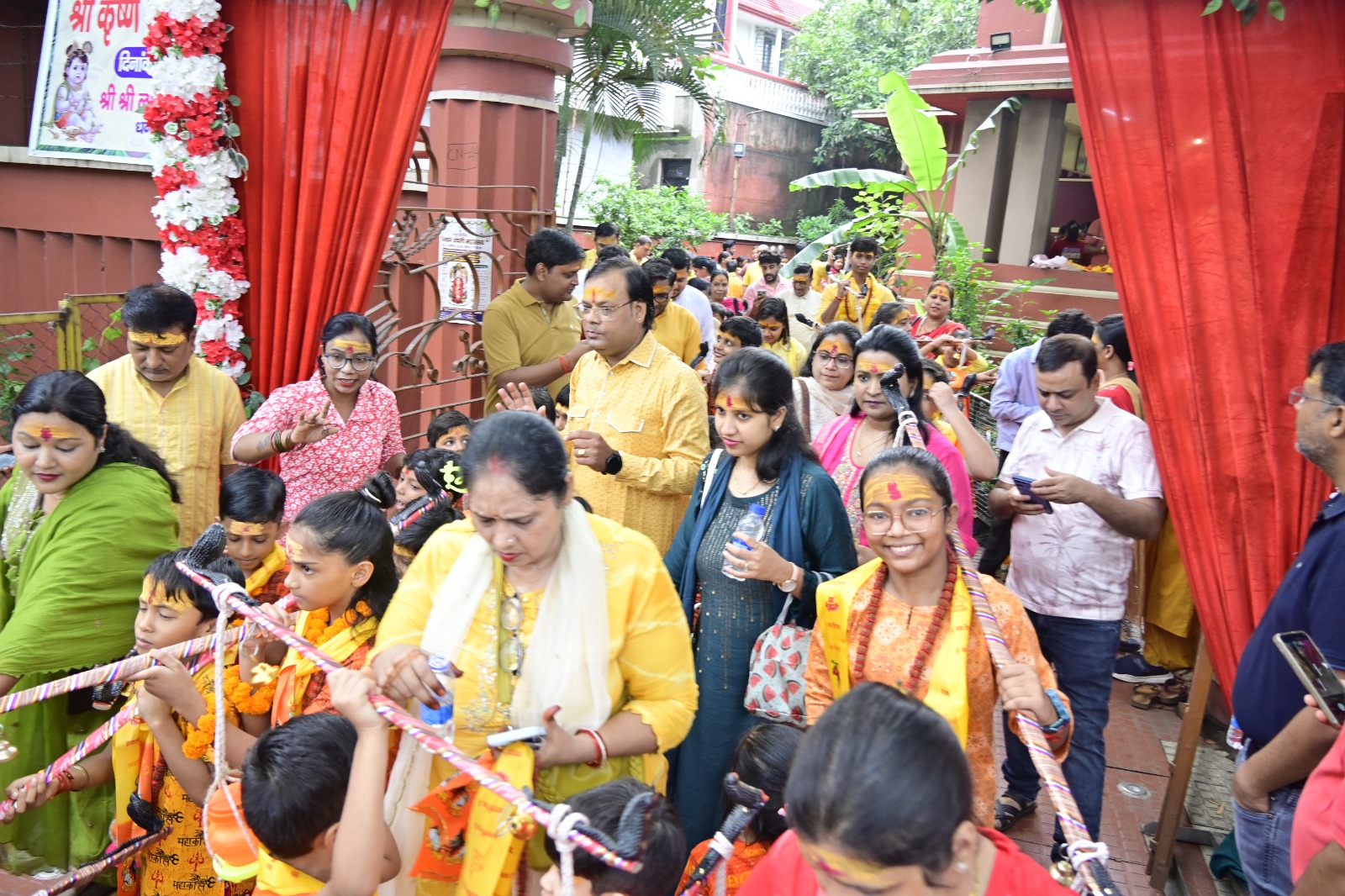
Read moreFree rest, bedding, water, food and first aid for pilgrims walking the Sultanganj–Deoghar route.
Read more
Bhookhe ko bhojan is the oldest form of seva there is, and it is still the one people ask us for most often.
During Shravan and at large gatherings we run free food and water counters where anyone — pilgrim, labourer, driver, child — can sit down and eat a full meal without being asked a single question. In the mining bastis around Dhanbad, cooked food and dry ration reach families whose day’s wage did not come, quietly and without ceremony.
We made a short film for companies and donors who want to see the work before they fund it — the camps, the villages, the children, the volunteers.
If you are evaluating us for a CSR partnership, this is the fastest way to understand the scale we work at and the kind of project we can take responsibility for. We will follow it up with costings, a project plan and field verification.
Most programmes fail at follow-up, not at launch. A machine nobody refills, a tree nobody waters and a library nobody unlocks are worse than nothing, because they let everyone believe the problem has been solved.
A HARSH volunteer who lives in the area sits with the panchayat, the school and the women of the village and asks what is actually missing. We do not arrive with a programme already decided.
The first intervention is deliberately modest — a camp, a machine, a coaching batch. It is cheap enough to fund immediately and visible enough that the village can judge us on it.
Every running activity is staffed by someone from that village. Outsiders leave; neighbours do not. This is the single biggest reason our centres are still open.
A volunteer returns to verify that the machine is stocked, the library is open, the tree is alive and the coaching class still has students. Follow-up is the part most programmes skip.
Income, expenditure and activity are placed before the Karyakarini Samiti and the annual Aam Sabha, and audited every year as our bye-laws require.
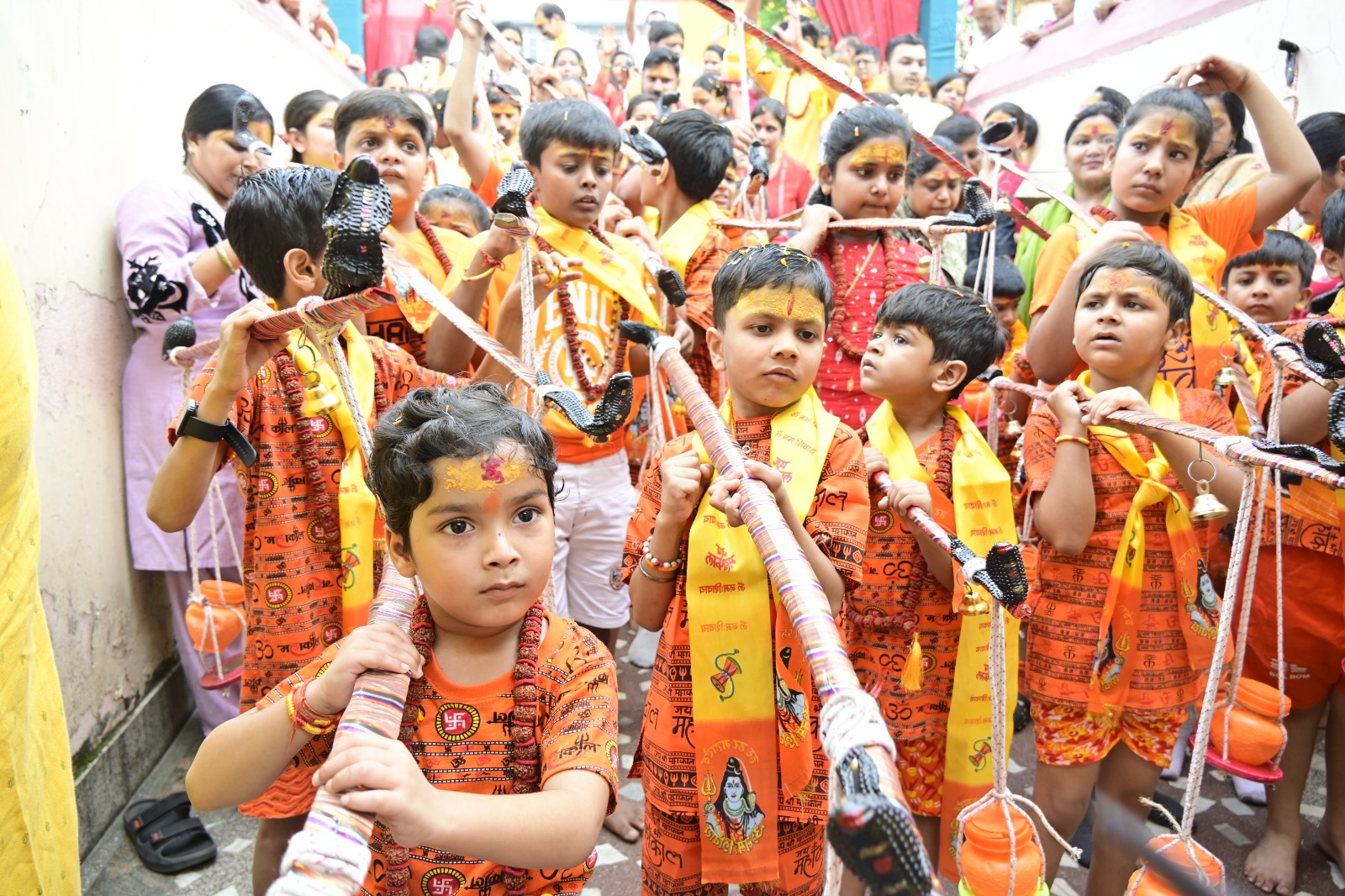
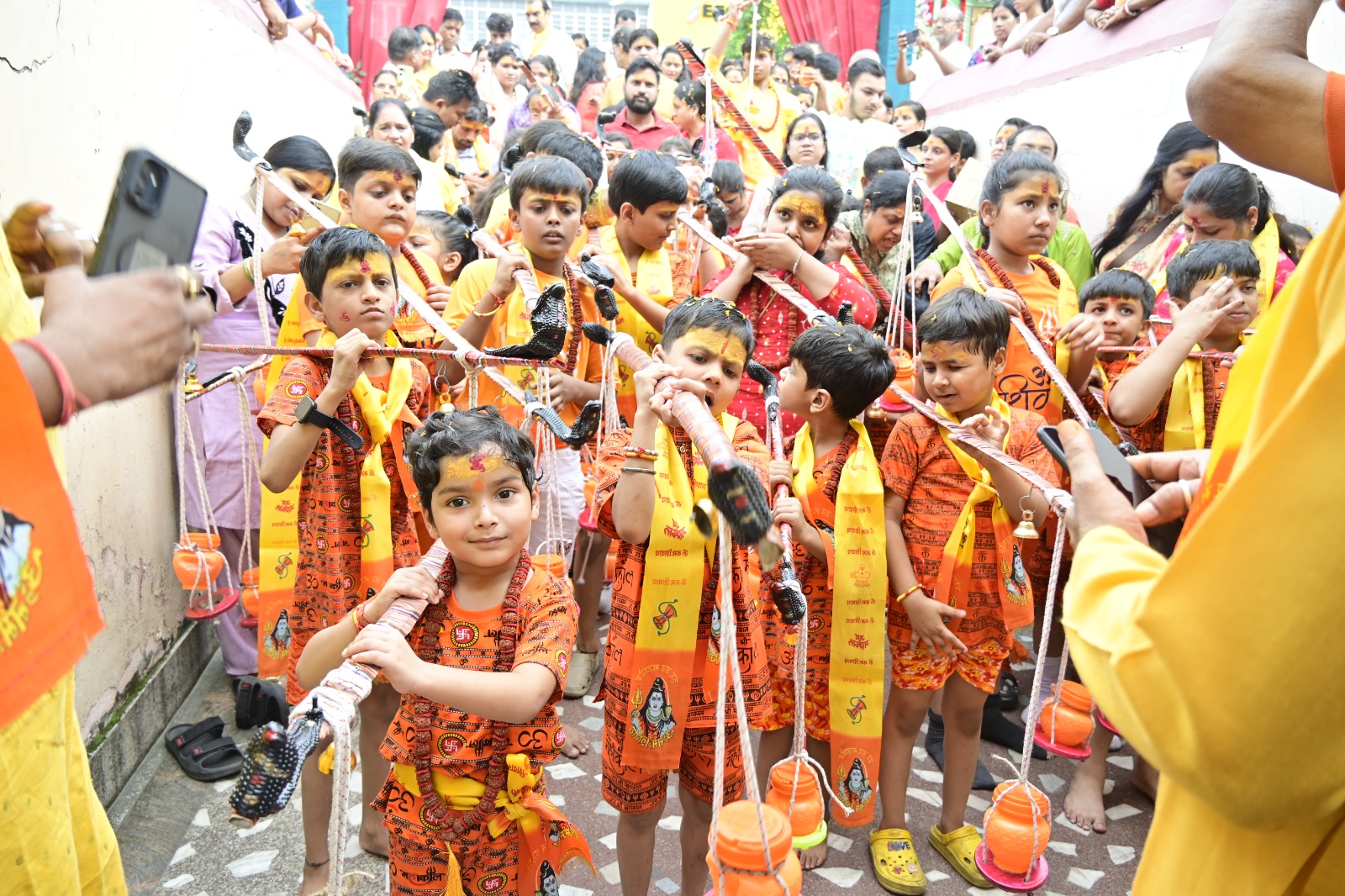
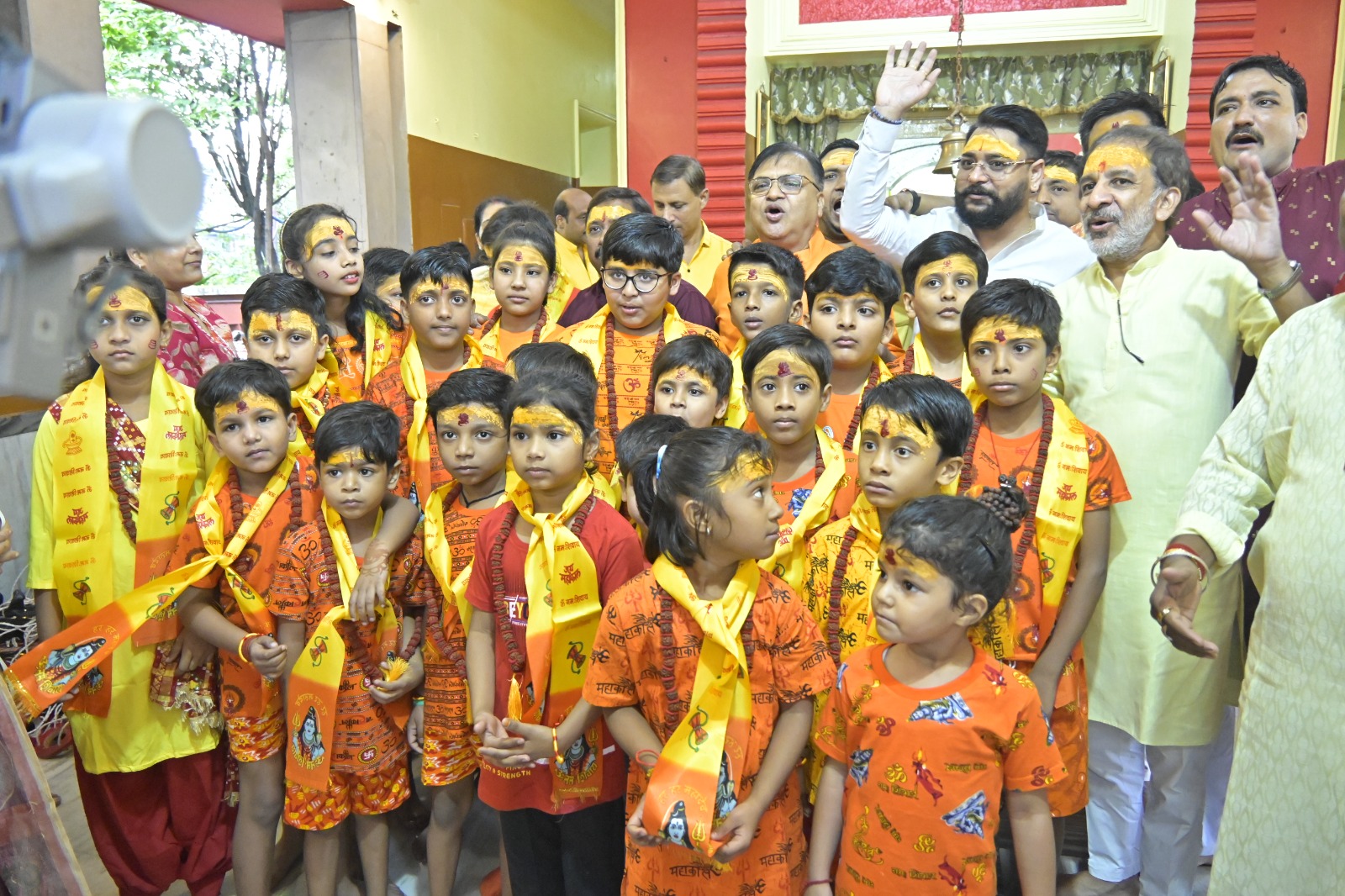
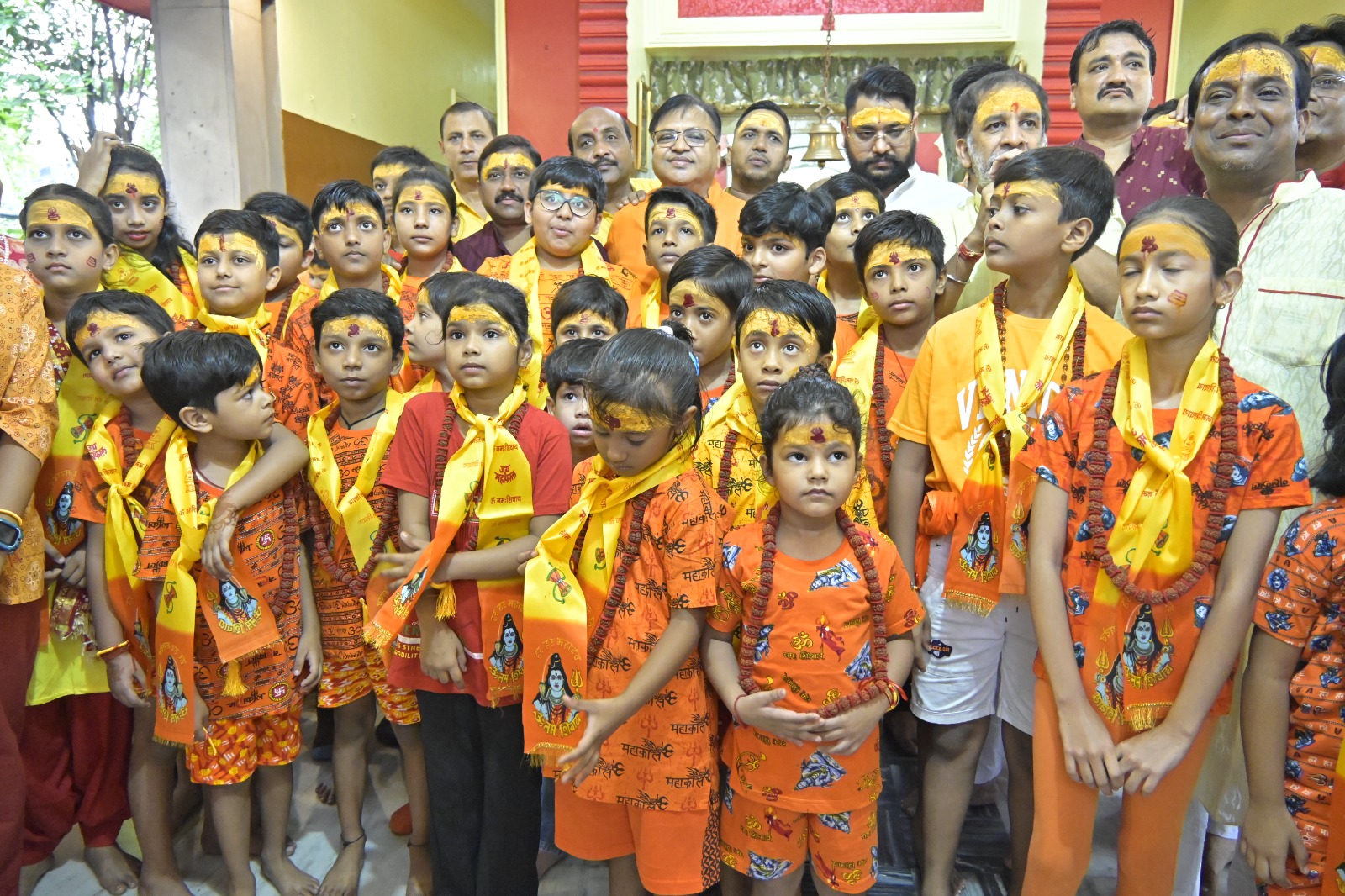
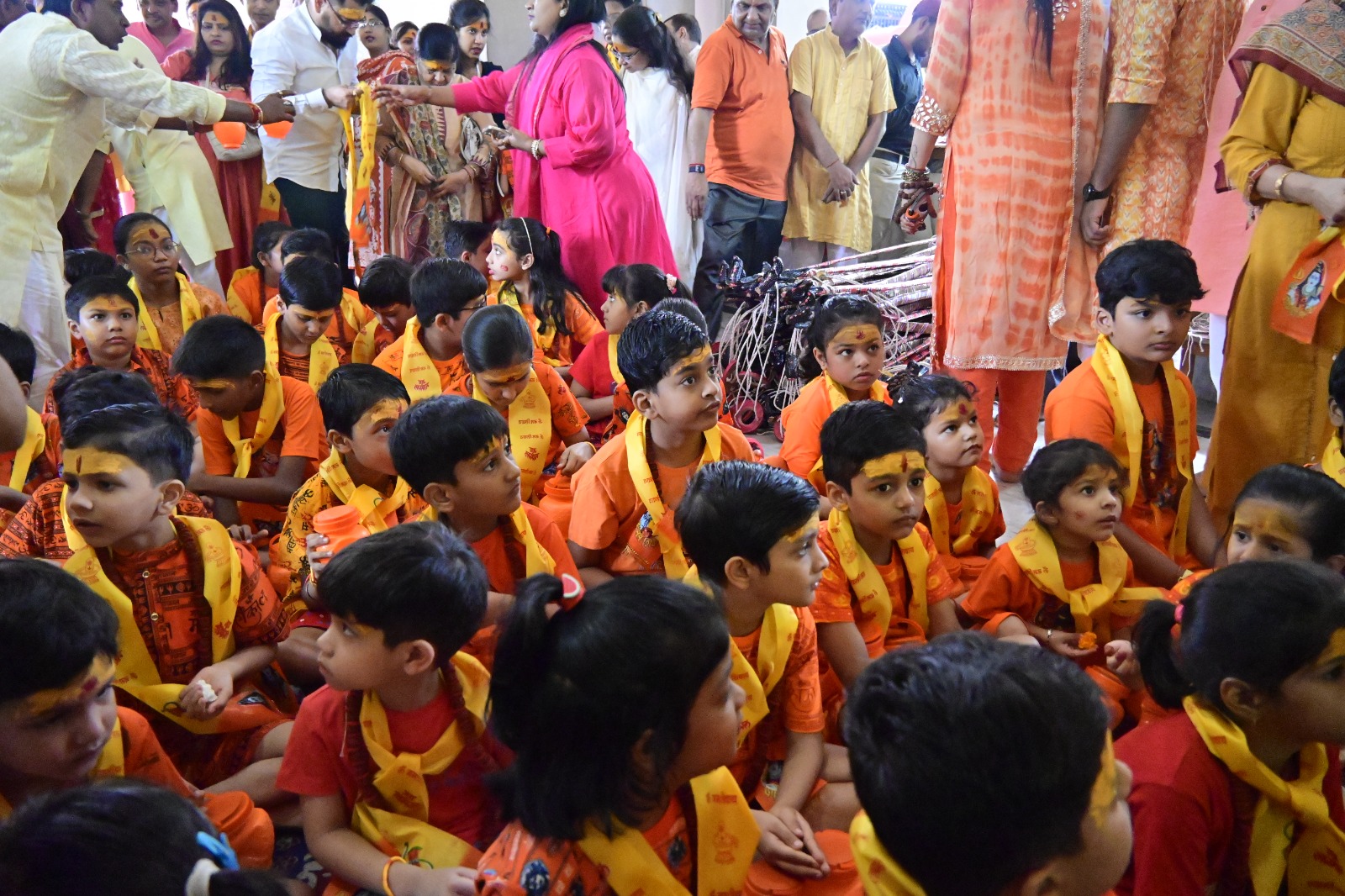
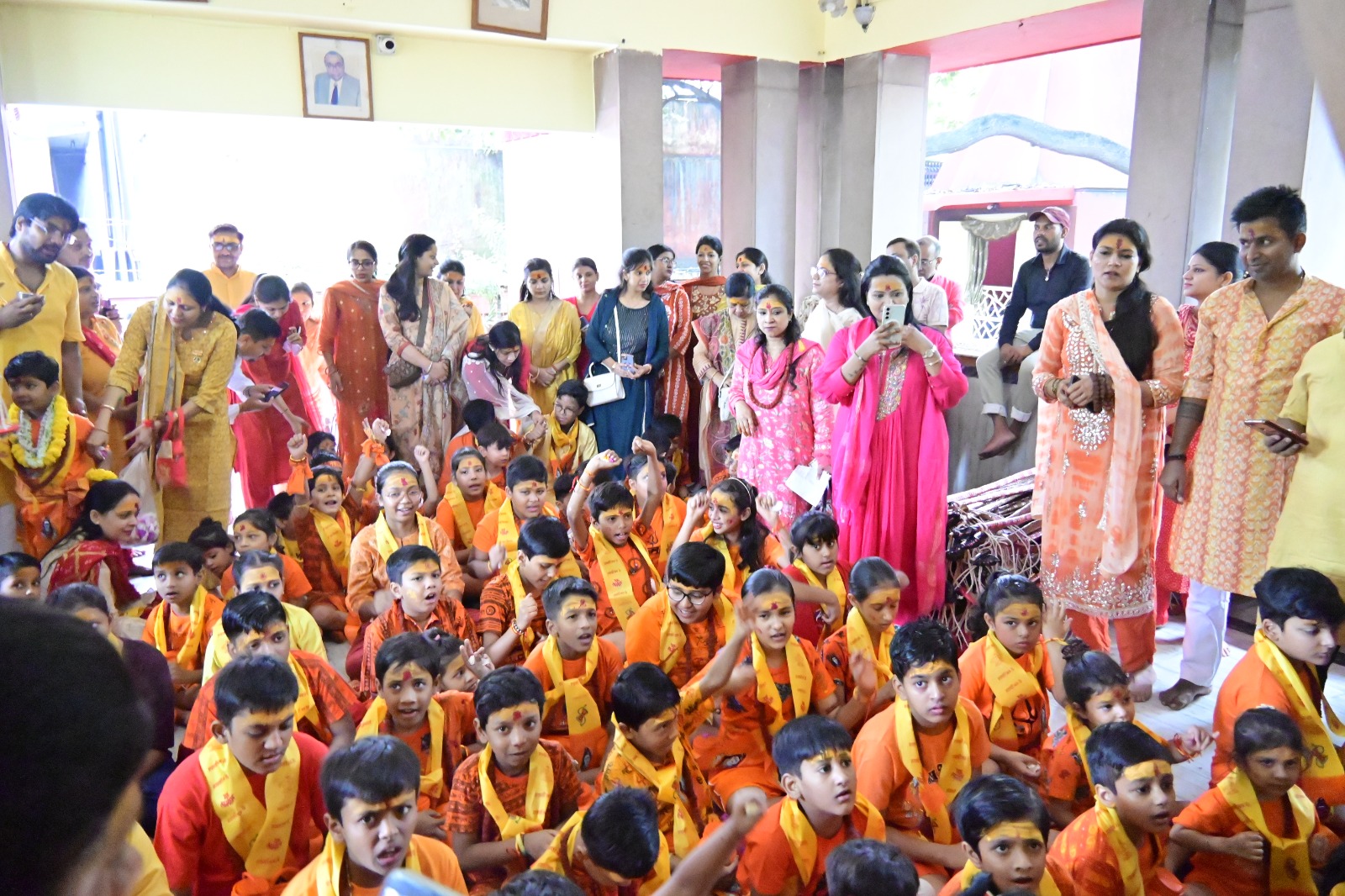
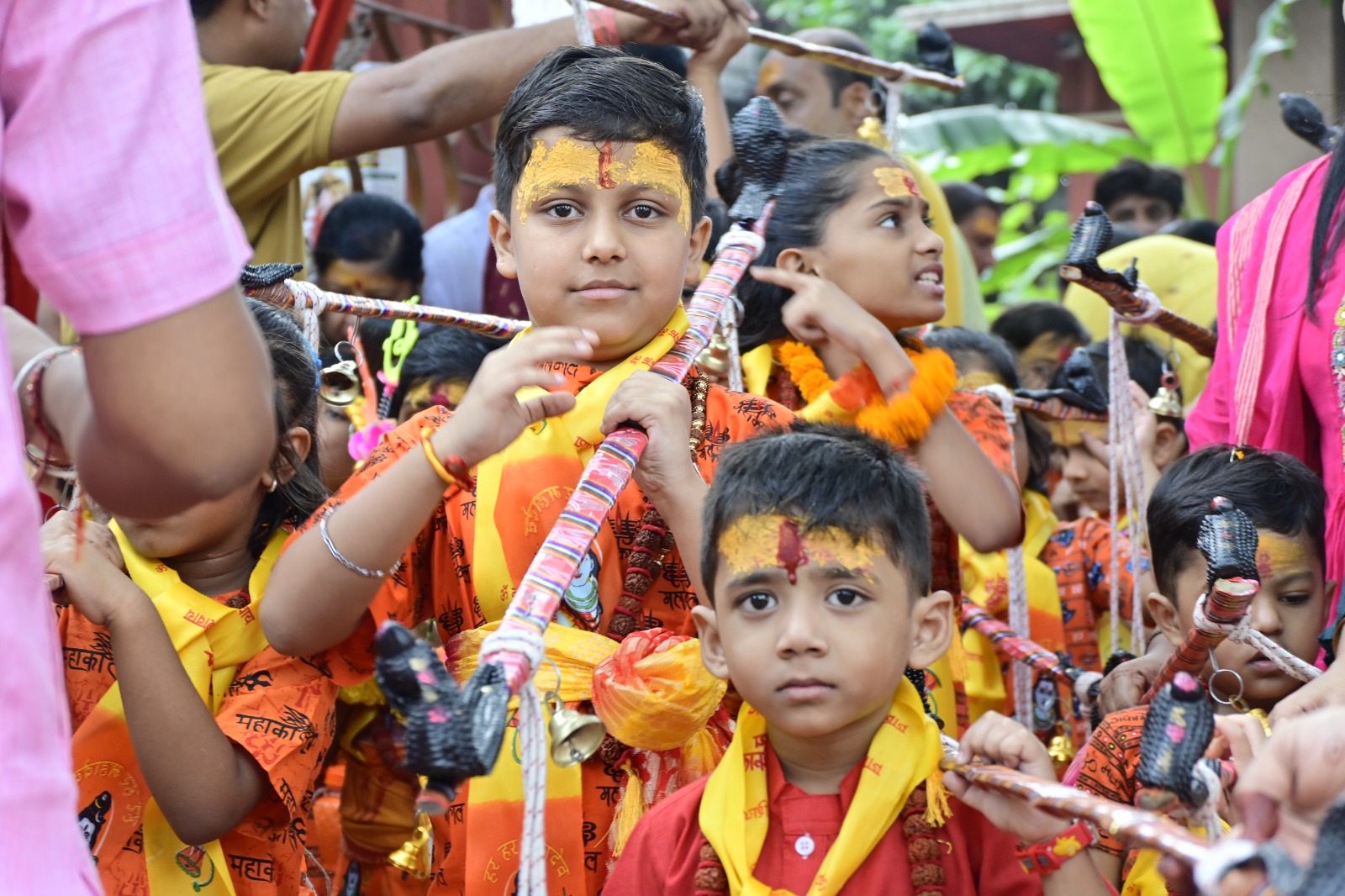
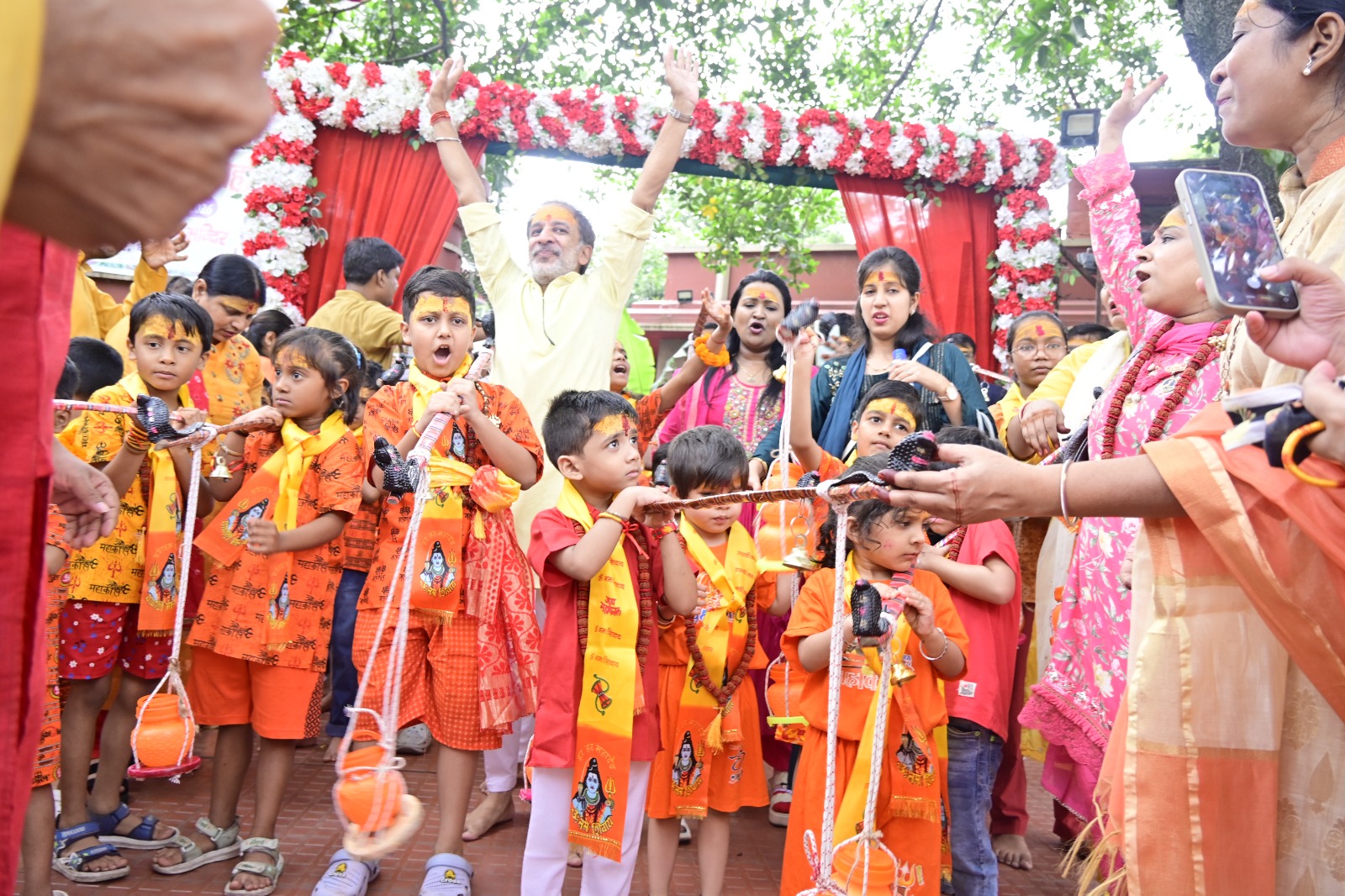
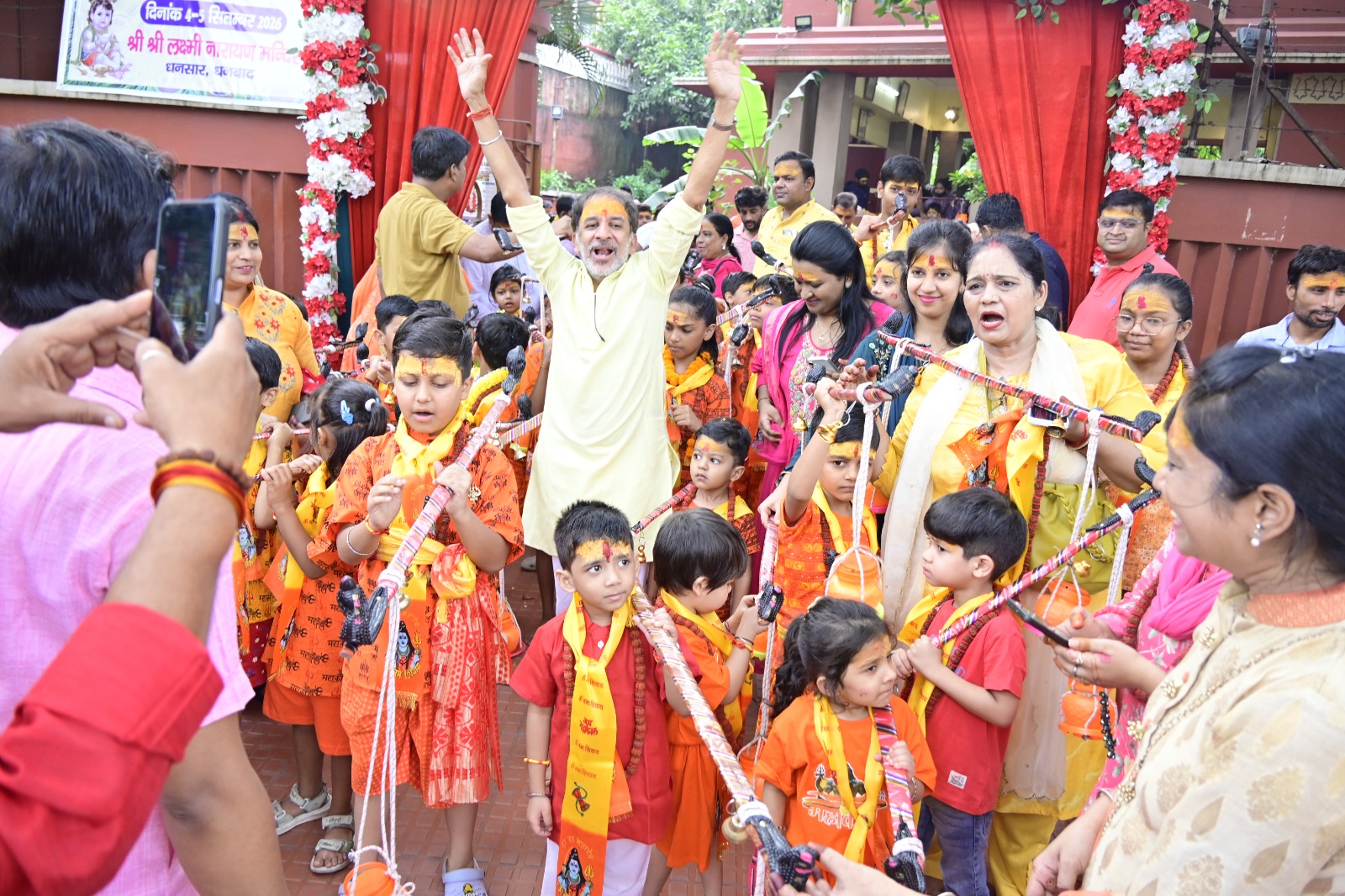
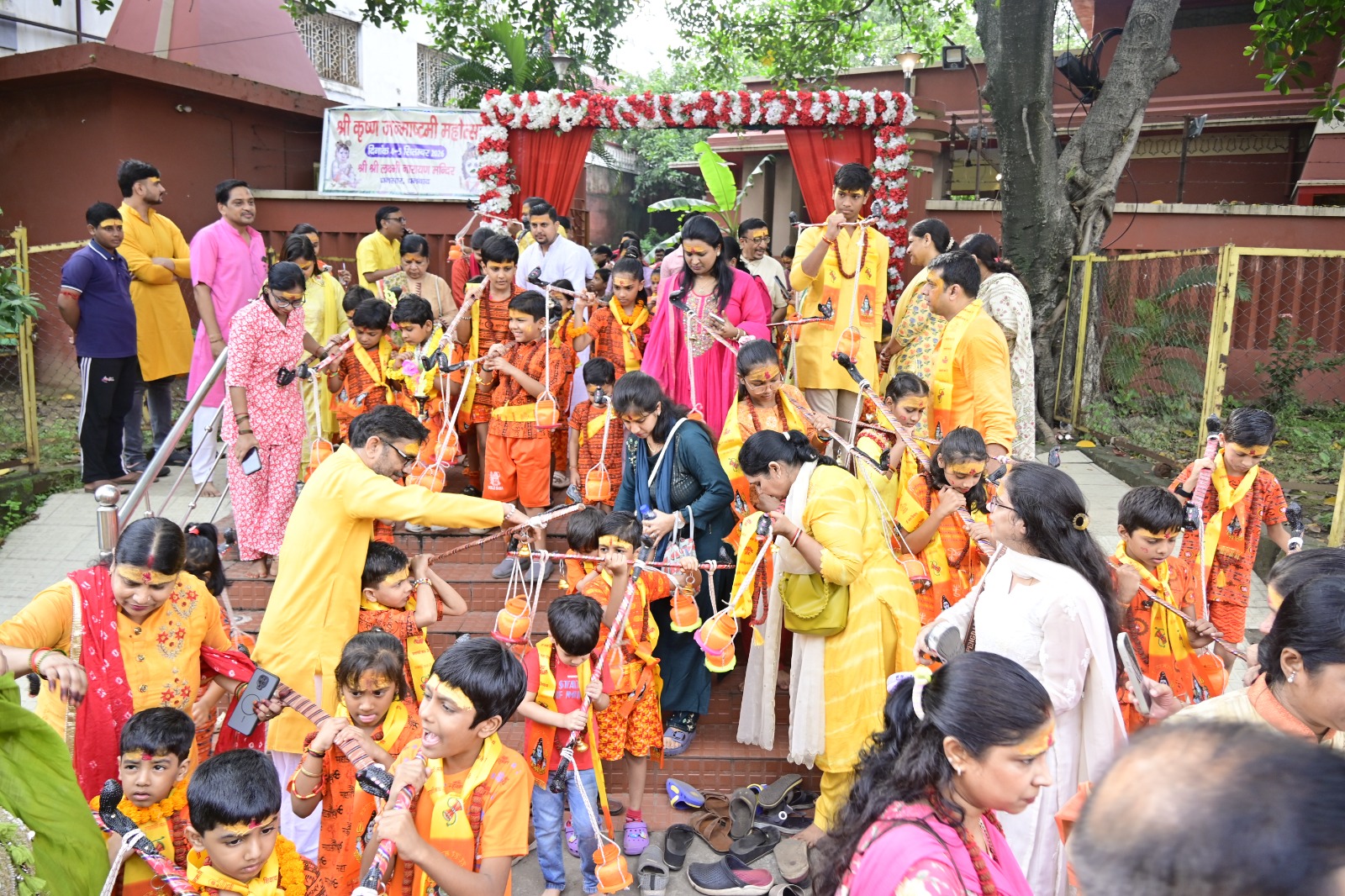
Hundreds of children from our coaching centres and the surrounding bastis at a HARSH cultural programme in Dhanbad — costumes, food and transport arranged so no family has to spend to let their child take part.
My daughter used to stay home four or five days every month. Since the machine was put in the school and the didi came and spoke to us, she has not missed a single class.
I walked from Sultanganj with my brother. At their shivir they gave us water, food and a mat, and a doctor looked at my feet without asking for one rupee.
There was no place in my house to study at night. The pustakalaya has a table and a light, and it stays open till nine. I appeared for my exam because of that room.
We were eleven women with no savings and no bank account between us. Today the group has a passbook and we lend to each other before we ever go to a moneylender.
HARSH (Samajik Utthan) is a registered non-profit society working across Jharkhand on health, education, food, water, sanitation, women’s empowerment and environment. Our work includes free medical camps and medicine, sanitary napkin vending machines in village schools, free feeding, village libraries and free coaching, Kanwar and yatri seva shivirs, cleanliness and plantation drives, and self help groups for women in the mining belt.
The registered office is at Arbind Colony, Joraphatak, Post Dhansar, Dist. Dhanbad, Jharkhand 826001. Our area of operation under the Memorandum of Association is the whole of Jharkhand, and our field work is concentrated in the Dhanbad, Giridih and Bokaro districts.
Yes. HARSH (Samajik Utthan) is registered as a society under the Societies Registration Act XXI of 1860, and is governed by a Memorandum of Association and a set of bye-laws. Clause (*****) of the Memorandum states that all the activities of the society shall be non-profitable.
The machines HARSH installs in village schools, panchayat bhavans and anganwadi centres are provided and stocked by the society at no cost to the girl or woman using them. We also return periodically to restock them and to check that they are still working.
Write to us at harshsamajikutthan486@gmail.com or call +91 97736 03584 with your district, what you can do and how much time you can give. We need doctors and paramedics for camps, teachers for coaching centres, women volunteers for health camps, and people who can simply lift, cook and organise at a shivir.
We work with companies on defined, measurable projects — a set number of napkin machines, a health camp calendar, a village library, or a plantation block with survival guarantees. Every project is reported with expenditure statements and field verification. Write to harshsamajikutthan486@gmail.com for our CSR deck and project costings.
Under our bye-laws, income comes from admission and membership fees, chanda and donations, grants, fundraising programmes, grants and loans from government or non-government bodies, and the sale of goods produced by the society. All money is held in a nationalised bank or post office account in the society’s name, and withdrawals require the joint signature of the President, Secretary and Treasurer. Accounts are audited annually by an auditor appointed by the Aam Sabha.
Give once, give monthly, volunteer a Sunday, or bring your company’s CSR budget to a project we will report on honestly. All of it helps, and the small amounts help more than people expect.