
Cheap problems that nobody had got around to
Jharkhand’s coal belt produces a great deal of the country’s energy and keeps very little of the benefit. HARSH (Samajik Utthan) was formed by a group of people from Dhansar who were tired of watching that gap and waiting for somebody else to close it.
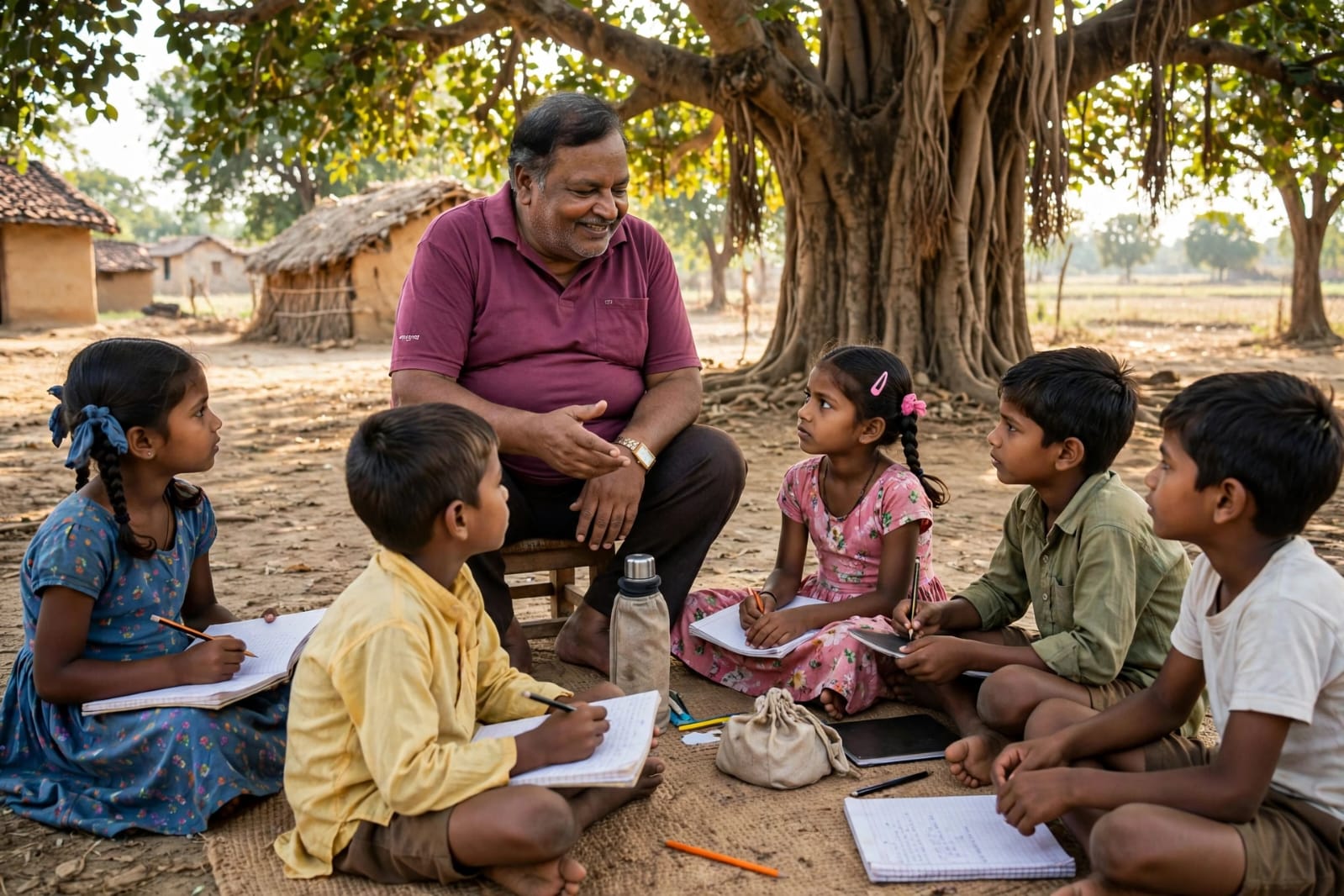
Around the collieries are hamlets where the nearest doctor is a bus ride and a day’s lost wage away. Where girls miss a week of school every month for want of a five-rupee pad. Where a bright child stops studying at fourteen because there is no light in the house after dark, and no quiet corner in it either.
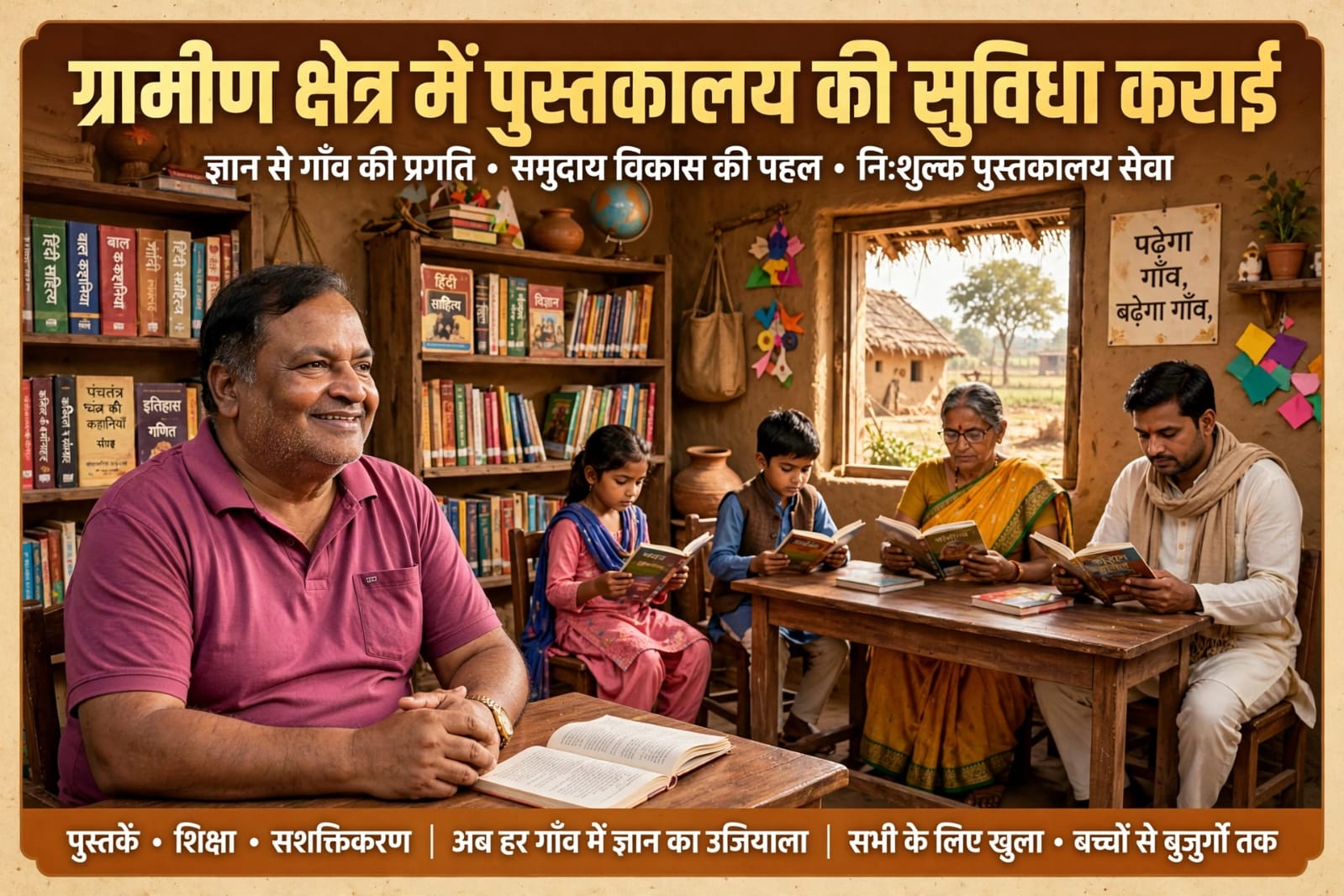
None of these are complicated problems. A camp costs a few thousand rupees. A napkin machine costs less than a phone. A library needs a room, some shelves and a bulb. They are cheap problems that nobody had got around to — and that is precisely the space this society chose to work in.
We are deliberately small and deliberately local. Every activity we run is staffed by someone who lives in that village, because outsiders leave and neighbours do not. It is the single biggest reason our coaching centres are still open and our machines are still stocked.

Educate. Empower. Uplift.
Three words on our seal, and the order is deliberate. Educate a child and you change one life; empower a woman and you change a household; uplift a village and the change outlives all of us. The open book held in two hands, the sun behind it and the house beside it are the whole of what this society is trying to do.
The society on paper
Name
The name of the society shall be HARSH (Samajik Utthan).
हर्ष (सामाजिक उत्थान)
Registered office
Post – Dhansar, P.S. – Dhansar
Dist. – Dhanbad, Jharkhand – 826001
Area of operation
The area of operation of the society is the State of Jharkhand, with field work concentrated in the Dhanbad, Giridih and Bokaro districts.
Aims & objects of the society
Reproduced from the Memorandum of Association. Every programme we run traces back to one of these three objects — we do not take on work that falls outside them.
-
Object (A)
To take appropriate activity to the social status of the Early Man of Jharkhand, weaker and backward sections of the Society, like organising self help group, Legal Awareness & Advocating rural Development, Social Justice, Drinking Water – Generate Employment For the Women Miners & their rights. And also Establish Animal husbandry, Society will be develop the water harvesting.
-
Object (B)
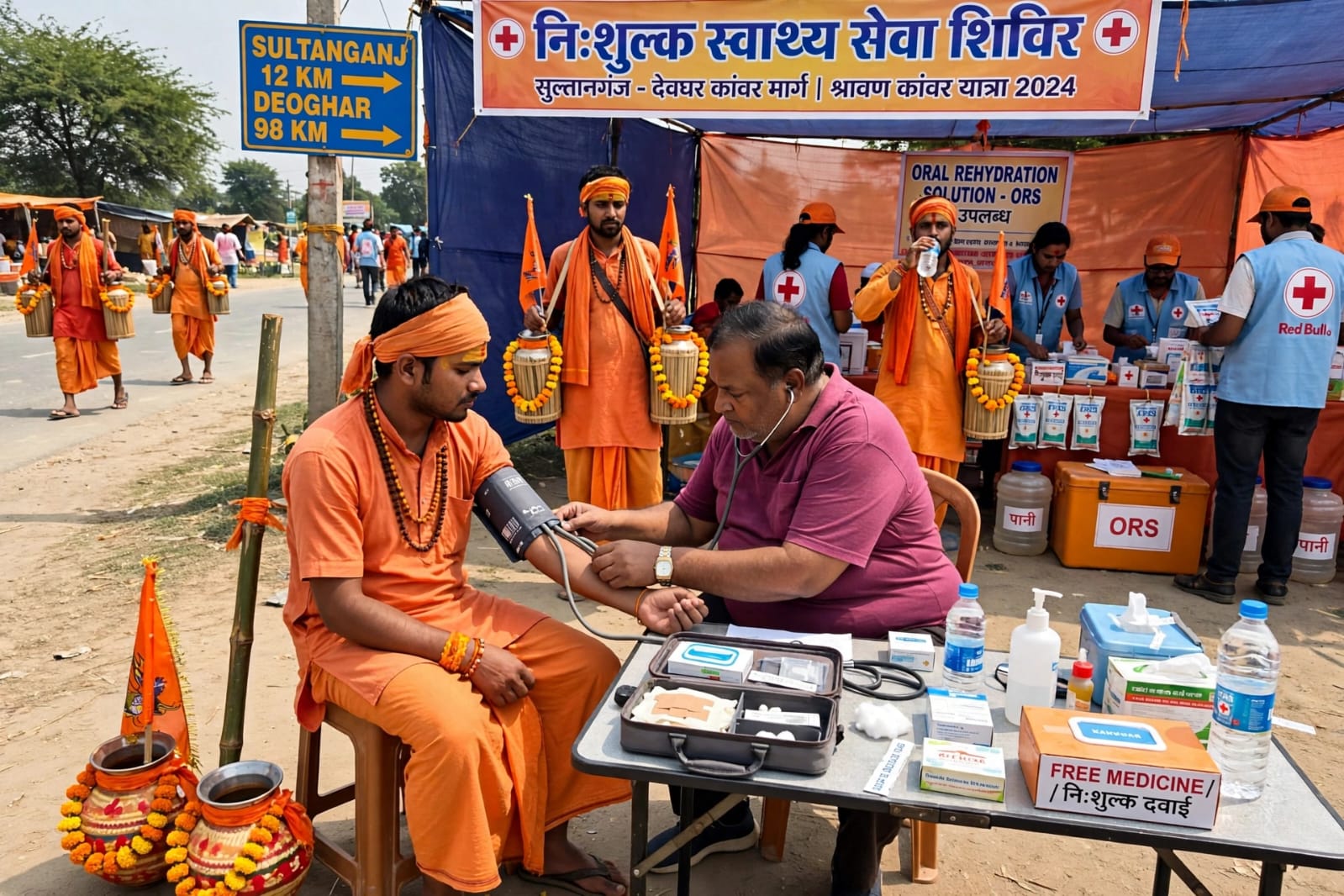
To uplift basic health standards and rural education of the rural mass particularly of scheduled caste/ scheduled tribes / Backward Classes / Early Man of Jharkhand / Weaker Section by Providing free medical facilities and distribute medicine free of cost and organise free medical camps, Promoting small family norms and work for dangerous disease. And awareness on maternal & child survival communicable diseases like malaria, Hepatitis Etc.
-
Object (C)
To establish, run and manage Colleges, schools, Computer institute, Technical institutes, Teachers Training institutes, Cultural Activities & also Organised infrastructure for the promotion of Traditional Sports like yoga, meditation, Kabaddi among youth. Our society will be work under plantation programme, Forest Management & to raise seedlings and manage the plantation for the enrichment of environment.
Five steps, and the fourth is the one that matters
Most programmes fail at follow-up, not at launch. A machine nobody refills and a tree nobody waters are worse than nothing, because they let everyone believe the problem has been solved.
Listen first
A HARSH volunteer who lives in the area sits with the panchayat, the school and the women of the village and asks what is actually missing. We do not arrive with a programme already decided.
Start small and visible
The first intervention is deliberately modest — a camp, a machine, a coaching batch. It is cheap enough to fund immediately and visible enough that the village can judge us on it.
Hand it to local people
Every running activity is staffed by someone from that village. Outsiders leave; neighbours do not. This is the single biggest reason our centres are still open.
Go back and check
A volunteer returns to verify that the machine is stocked, the library is open, the tree is alive and the coaching class still has students. Follow-up is the part most programmes skip.
Report honestly
Income, expenditure and activity are placed before the Karyakarini Samiti and the annual Aam Sabha, and audited every year as our bye-laws require.
Want to see the work before you back it?
Come to a camp. Visit a coaching centre. Sit in a shivir for an evening. We would far rather be judged on what you see than on what we write.